Navigating Florida's Tort Reform: What Personal Injury Victims Need to Know
Understanding the evolving legal landscape in Florida is essential for personal injury victims seeking justice. Recent changes, particularly House Bill 837, have introduced significant reforms that directly impact how personal injury claims are processed. Here’s a detailed overview of the current state of Florida's tort reform and what it means for you.
Latest Trends and Developments.
In March 2023, Florida enacted House Bill 837, which brought several critical changes to personal injury law:
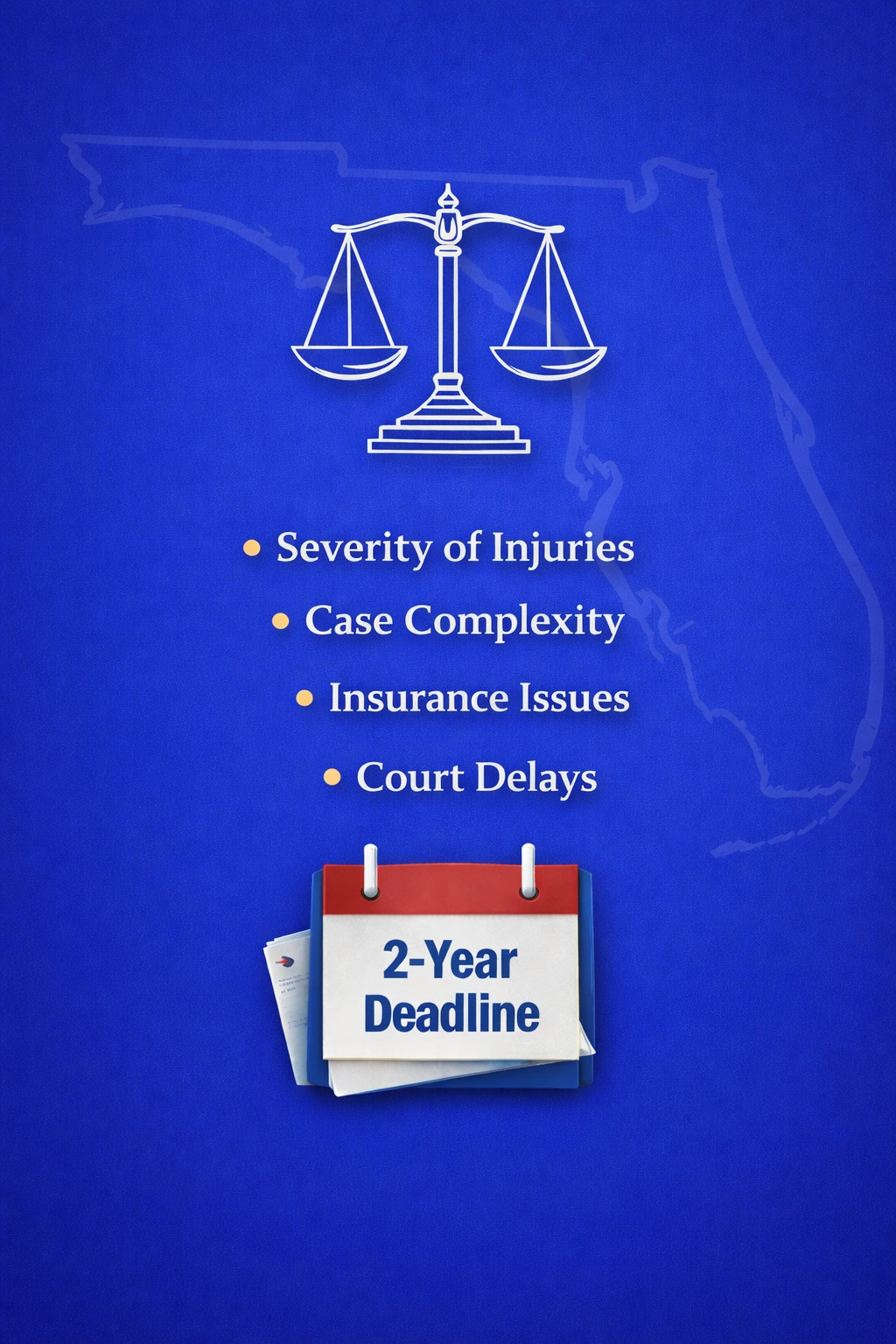
- Shortened Statute of Limitations: The time frame to file personal injury lawsuits is now reduced from four years to just two years. This change underscores the urgency for victims to seek legal counsel promptly. For more information on filing deadlines, check out our personal injury services.
- Modified Comparative Negligence: Florida has shifted from a pure comparative negligence system to one where if a plaintiff is more than 50% at fault, they cannot recover any damages. This emphasizes the importance of establishing liability clearly.
- Caps on Non-Economic Damages: Emotional distress and pain and suffering damages are now capped at $500,000 per claimant, depending on the nature of the claim. Understanding these caps can set realistic expectations for compensation.
Expert Insights and Industry Best Practices.
Legal professionals advise personal injury victims to take specific actions:
- Act Promptly: With the new two-year limit, it is vital to consult with an attorney immediately after an injury.
- Gather Comprehensive Evidence: Collecting detailed evidence is crucial to establishing liability under the new comparative negligence rules.
- Understand Damage Caps: Be aware of the limitations on non-economic damages to set realistic expectations for your case.
Statistics and Data.
Florida leads the nation in personal injury lawsuits, with 127.41 cases filed per 100,000 residents, compared to the national average of 9.53. This high volume indicates a competitive legal environment for personal injury claims. Following the reforms, there has also been a notable decline in large jury awards, with Florida dropping in rank for nuclear verdicts.
Common Questions and Concerns
Here are some frequently asked questions regarding the recent changes:
- What if I'm Partially at Fault? If you are found to be more than 50% at fault, you will not be able to recover damages.
- How Do Damage Caps Affect My Case? These caps may limit compensation for pain and suffering, so understanding them is crucial.
- What Are the Deadlines for Filing a Claim? The statute of limitations is now two years, and missing this deadline can bar you from seeking compensation.
Local Relevance for Businesses in Plantation, FL
Local businesses, especially in the hospitality and retail sectors, should be aware of these reforms. Implementing safety measures and maintaining proper insurance can help mitigate potential liabilities.
Specific Relevance to the Injury Lawyer Industry
For law firms like Charles Injury Law, adapting to these changes is vital:
- Educating Clients: Keeping clients informed about the new laws impacts their cases significantly.
- Adjusting Legal Strategies: Developing strategies that align with the modified comparative negligence system is essential.
- Staying Updated: Continuously monitoring legislative changes ensures accurate and timely advice.
Conclusion
Navigating Florida's tort reform is critical for personal injury victims. Prompt action, thorough evidence collection, and awareness of new limitations can significantly influence the outcome of a case. For more information on how we can assist with your personal injury claim, contact us today at steve@charleslegalpl.com or call (954) 866-1329.
Learn more about our car accident representation and slip and fall cases to ensure you have the best support for your claims.