Avoiding Common Legal Pitfalls: A Friendly Guide to Protecting Your Case
When you're caught up in a legal issue, it's easy to make small mistakes that can lead to big problems. This guide covers common errors that clients and witnesses often make—missteps that can affect evidence, mess up strategies, or even lead to penalties. Stick with us to learn how you can avoid missing deadlines, handle evidence properly, communicate safely, and make smart decisions. We’ve got practical checklists, examples, and tips from experts to help you protect your rights and boost your chances of a good outcome.
If you want to understand why courts are so strict about following the rules, check out the federal court guidelines at U.S. Courts. Knowing how courts manage deadlines and filings will show you why every detail counts.
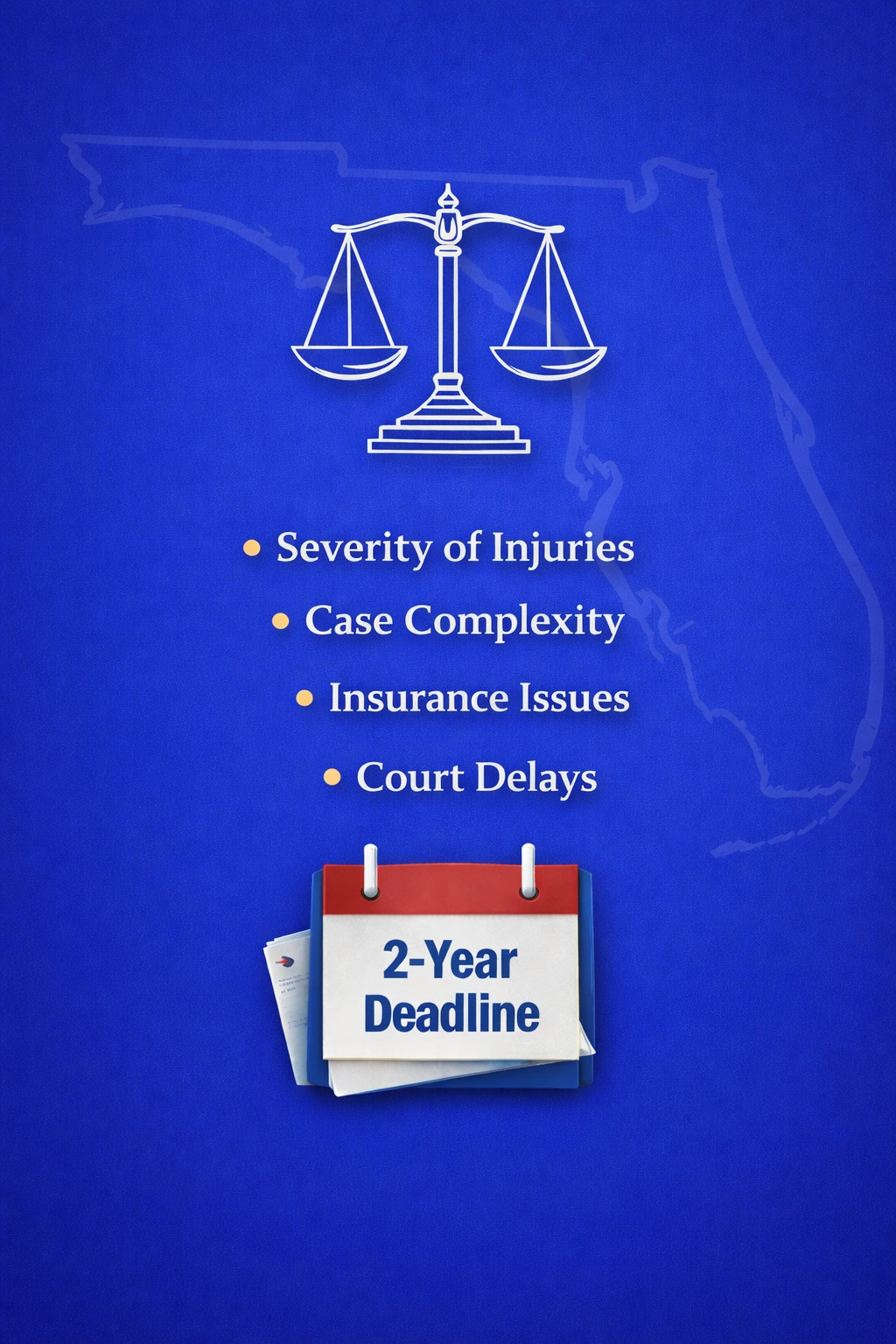
At Charles Injury Law, we help clients in Plantation and across Florida manage these challenges. Being aware and disciplined early on can save you time, money, and stress as your case progresses. If you need more info on local timelines, see our guide on personal injury case timelines in Florida for helpful context.
1. Missing Key Deadlines and Procedural Rules
Why Deadlines Matter
Court timelines aren't just red tape—they keep things fair and organized. Missing a filing deadline or showing up late can give the other side an edge. Judges might fine you, limit your evidence, or even dismiss your case. You can avoid this by keeping a close eye on the clock and acting fast.
Many court losses happen because of procedural errors, not the actual facts. Treat deadlines like they're as important as the case itself. Plan conservatively and work closely with your lawyer to avoid costly surprises.
Practical Systems to Prevent Missed Dates
Set up a master calendar for all court dates, discovery deadlines, and statute of limitations. Use digital calendars with reminders, and back up important documents just in case. It's smart to have one person in charge of keeping the calendar accurate. They should double-check dates with the court and the other side. Regular check-ins with your lawyer help make sure nothing is missed.
Common Procedural Traps and How to Avoid Them
Common traps include missing response deadlines, expert disclosures, or not objecting to admissions in time. Prioritize court notices: read them fully, note the deadlines, and act. If you can't meet a deadline, ask for more time with a good reason and a new schedule.
Local rules can vary, so always confirm what's needed in your area. For more on Florida's rules, visit Florida Courts.
2. Inadequate Evidence Management
The Cost of Poor Document Handling
Evidence supports your argument. Missing or poorly handled documents can weaken your case. Courts check the relevance and authenticity of evidence, so any gaps can mean exclusion. Even digital evidence like emails need to be preserved correctly.
Examples of mistakes include deleting emails, not preserving texts, or failing to capture social media posts. Once evidence is gone, it can be hard to fix and might lead to negative assumptions.
Best Practices for Preserving and Organizing Evidence
When a dispute starts, keep all relevant documents and communications. Put holds on emails and data, and instruct everyone not to delete anything. Work with your lawyer to identify key documents and systems. Use reliable backups for electronic evidence and document your evidence handling process.
Organize by theme or claim and create an index linking evidence to your legal theory. Tag documents with metadata like date and author for easy reference during trial prep.
Working with Experts and Witnesses
Expert testimony is persuasive when backed by solid evidence. Choose experts early and provide them with thorough documentation. A well-prepared expert report is harder to challenge.
Prepare witnesses carefully. Encourage them to stick to facts and practice to avoid confusion during cross-examination. Make sure their statements are factual and based on observations to keep them admissible.
For a handy reference on evidence rules, check out the Cornell Legal Information Institute.
3. Discussing Your Case Publicly
Why Public Comments Hurt Your Case
In today's social media world, anything you say can be used in court. Opposing lawyers look at public posts for contradictions. Even deleted content can be recovered. Casual chats with friends can also be used against you. Anything you say could become part of the evidence.
Rules for Safe Communication
Set strict communication rules as soon as a dispute starts. Don't post about the incident, avoid friend requests from strangers, and tighten privacy settings. Let your lawyer handle all inquiries and avoid discussing the case with anyone else.
If you need to give a statement, work with your lawyer to ensure it's consistent and backed by documents. Consistency boosts credibility.
Case Example: Social Media Undermining an Injury Claim
Imagine someone claims severe back pain but later posts photos of themselves doing intense activities. The other side will use these posts to question the severity of the injuries, affecting settlement value or the court's view. Keeping quiet online avoids these problems.
4. Failing to Follow Legal Advice
The Importance of Trusting Counsel
Your lawyer's advice is based on experience and strategy. Ignoring their plan can weaken your negotiation power or evidence. Trust is key: your lawyer needs your full cooperation, and you rely on their judgment.
Clients sometimes resist strategies due to emotional ties. While understandable, decisions based on feelings rather than facts often backfire. Share your concerns with your lawyer so they can adjust the plan if needed.
How to Engage Constructively with Your Attorney
Ask questions if you don't understand advice, and seek written explanations of decisions. Understand the pros and cons of settlements or strategies to make informed choices. Open communication reduces mistakes.
Document important talks and confirm next steps in writing. If disagreements continue, consider other counsel to avoid decisions that could hurt your case.
When to Push Back — And When to Follow
Rarely, you might need to question advice, like when new facts arise. But changing plans without a sound reason can be costly. Balance your input with respect for your attorney's duty to act in your best interest.
5. Speaking Without Legal Counsel
Risks of Unrepresented Conversations with Opposing Parties
Talking to the other side or their insurer without a lawyer can lead to self-incrimination or misstatements. Even trying to clarify things can backfire. If contacted, politely decline to answer and ask for communication through your lawyer.
How to Handle Initial Contact Properly
If approached by investigators or insurers, give only basic info and say you'll consult your lawyer. If law enforcement wants an interview, ask for legal representation first. This protects your rights.
Document the contact—who called, what was asked, and when—and share with your lawyer. This helps with strategy and prevents conflicting accounts later.
Example: Insurance Adjuster Conversations
Adjusters are skilled at getting statements that reduce compensation. A casual comment can be used against you. Let your lawyer handle these talks or coach you on what to say to protect your legal standing.
6. Overlooking Settlement Opportunities
Why Settlement Can Be Strategic
Settling offers certainty and can save time and money compared to a trial. Many cases resolve through negotiation, mediation, or structured agreements. Stubbornness in negotiation can lead to higher costs and lower recovery.
Defendants might push for early litigation to pressure less-resourced claimants. Knowing when to negotiate is a strength of good lawyers.
Evaluating Settlement Offers
Compare offers to likely trial outcomes and net value after costs. Your lawyer should provide a valuation considering success probability, litigation costs, and timing. Consider structured settlements for long-term benefits.
Mediation can be a cost-effective way to explore settlements while keeping trial rights. The American Bar Association explains mediation benefits.
When to Say No and When to Negotiate
Be ready to refuse low offers, but make sure it's strategic. Work with your lawyer to negotiate better terms or move to mediation with clear goals. Flexibility often leads to better outcomes without trial risks.
7. Allowing Emotions to Dictate Decisions
The Impact of Emotion on Legal Strategy
Emotions like anger or embarrassment can lead to decisions that feel good but hurt legally. Emotional choices can cause missed settlements or unrealistic trial strategies. A calm, reasoned approach works better.
Be aware of your emotions and use your lawyer as a sounding board. Legal analysis should guide your decisions, while emotional needs can be addressed separately.
Tools to Maintain Objectivity
Ask your lawyer to explain options with pros and cons and likely outcomes. Use decision tools to weigh risks and benefits. Delay emotional decisions for a cooling-off period and a discussion with your lawyer.
Case Study: Emotional Retaliation Backfires
Someone leaks inflammatory claims to the press to hurt the opponent. It backfires when the court sees it as prejudicial, and the other side uses it to justify tougher tactics. Such actions can damage credibility.
8. Representing Yourself Without Legal Counsel
Limits of Self-Representation
Handling small claims yourself might work, but not in complex cases. Legal procedures and negotiation require expertise. Self-represented people often miss procedural steps, misuse laws, and fail to secure proper damages.
Even educated clients can struggle with the complexities of law. A lawyer provides technical skills and anticipates the opponent's moves.
When Self-Representation Might Be Reasonable
For low-stakes or narrow legal issues, some self-representation might be okay, but get procedural guidance or help for key tasks. At least consult a lawyer to plan deadlines and tactics to avoid mistakes.
How to Choose the Right Attorney
Pick a lawyer with relevant experience and good communication skills. Ask about their trial experience and success rates. Review sample documents and references, and agree on fees. The right lawyer helps avoid these mistakes and improves your chances of success.
9. Speaking Out of Turn in Court
Courtroom Etiquette and Its Importance
Being respectful in court is key. Speaking out of turn or interrupting can annoy the judge and harm your credibility. Judges expect clear, relevant testimony and following rules.
Practice courtroom behavior with your lawyer. Answer only what is asked, avoid extra info, and follow your lawyer's cues. Respectful conduct makes a good impression.
Preparing Witnesses for Court
Prepare witnesses for direct and cross-examination, focusing on precise responses. Teach them to pause before answering and ask for clarification if needed. Practice improves calmness and clarity.
Consequences of Disruptive Behavior
Interruptions or contempt can lead to sanctions or unfavorable rulings. One outburst can overshadow strong evidence. Stay calm, let your legal team lead, and focus on presenting facts professionally.
10. Bringing Unnecessary Witnesses or Evidence
The Problem with Over-Inclusion
Too many witnesses or irrelevant evidence can clutter your case and weaken strong points. Each witness adds time and risk of inconsistent testimony. A clear, focused presentation is more persuasive.
Work with your lawyer to choose witnesses that support your case. Quality over quantity is key.
How to Cull and Prioritize Evidence
Prioritize evidence by its importance and connection to key facts. Agree on uncontested facts to cut unnecessary testimony. Choose witnesses for their credibility and relevance.
Example: Streamlining Trial Preparation
A lawyer cut trial time by 40% by narrowing witness lists and using documents for background. The judge appreciated the efficiency, and the jury focused on key issues. Strategic restraint often yields better results.
FAQs: Troubleshooting Common Legal Missteps
What should I do if I already missed a deadline?
Act fast. Tell your lawyer and the court clerk, and file for relief if you can. Explain the delay and show diligence. Courts may forgive if you act quickly.
Document what led to the missed deadline and suggest a plan to minimize harm to the other side. Good faith and concrete plans help your case.
How do I preserve digital evidence like emails and texts?
Set a litigation hold, stop deletion settings, and archive relevant devices. Take dated screenshots if needed and use forensic tools to keep metadata. Work with your lawyer to identify key data and make secure backups.
Get IT pros or e-discovery experts involved early to prevent data loss and ensure evidence is preserved correctly.
Is it ever okay to speak publicly about my case?
Generally, avoid public discussion. If needed, coordinate with your lawyer and limit content to neutral facts. Make sure public statements don't waive privacy or create admissions.
Expert Insights and Closing Checklist
Expert Recommendations
Legal experts emphasize three habits: preserve evidence early, document consistently, and communicate through your lawyer. These prevent most errors and improve outcomes. Experienced lawyers also suggest a simple litigation playbook with protocols for evidence and communication.
Another tip is regular audits of case files to ensure compliance with rules. A fresh review by a senior lawyer or consultant can catch errors before they become issues.
Practical Closing Checklist
- Keep a master calendar for all deadlines.
- Issue litigation holds and preserve documents right away.
- Avoid public discussions and direct inquiries to your lawyer.
- Follow your lawyer’s advice and ask for clarification if needed.
- Prepare witnesses well and focus on essential evidence.
- Evaluate settlement options with detailed analyses.
If you need info on local procedures or personal injury timelines, our article on Florida tort reform implications explains recent changes and their effects. For fire damage claims, see our guide on understanding fire damage claims to help preserve evidence and document losses.
Conclusion and Next Steps
Avoiding the mistakes we've discussed takes vigilance and clear communication with your lawyer. Mistakes like missed deadlines or poor evidence handling can be more damaging than the dispute itself. By following these practices, you can reduce the risk of harm to your case and improve your chances of a favorable outcome.
If you're in Plantation, FL and need experienced representation, Charles Injury Law can guide you through complex rules, preserve evidence, and evaluate settlements strategically. Learn more about our approach in our expert guide to personal injury laws in Plantation, FL, or contact us for a consultation.
Call us at (954) 866-1329 or email steve@charleslegalpl.com to discuss your case. Our office is at 930 S State Rd 7, Plantation, FL 33317. Acting early helps preserve evidence and protect your rights.
Ready to take the next step? Contact Charles Injury Law today for a case review and practical next steps tailored to your situation. We’ll help you avoid costly mistakes and build a strong, defensible path forward.