Expert Guide to Navigating Personal Injury Laws in Plantation, FL
Navigating Florida's evolving personal injury laws is crucial for residents of Plantation, especially given the significant legal reforms implemented in recent years. This guide provides an overview of the latest trends, expert insights, and practical advice to help you understand and adapt to these changes.
Latest Trends and Developments
Florida has enacted several key reforms affecting personal injury claims:
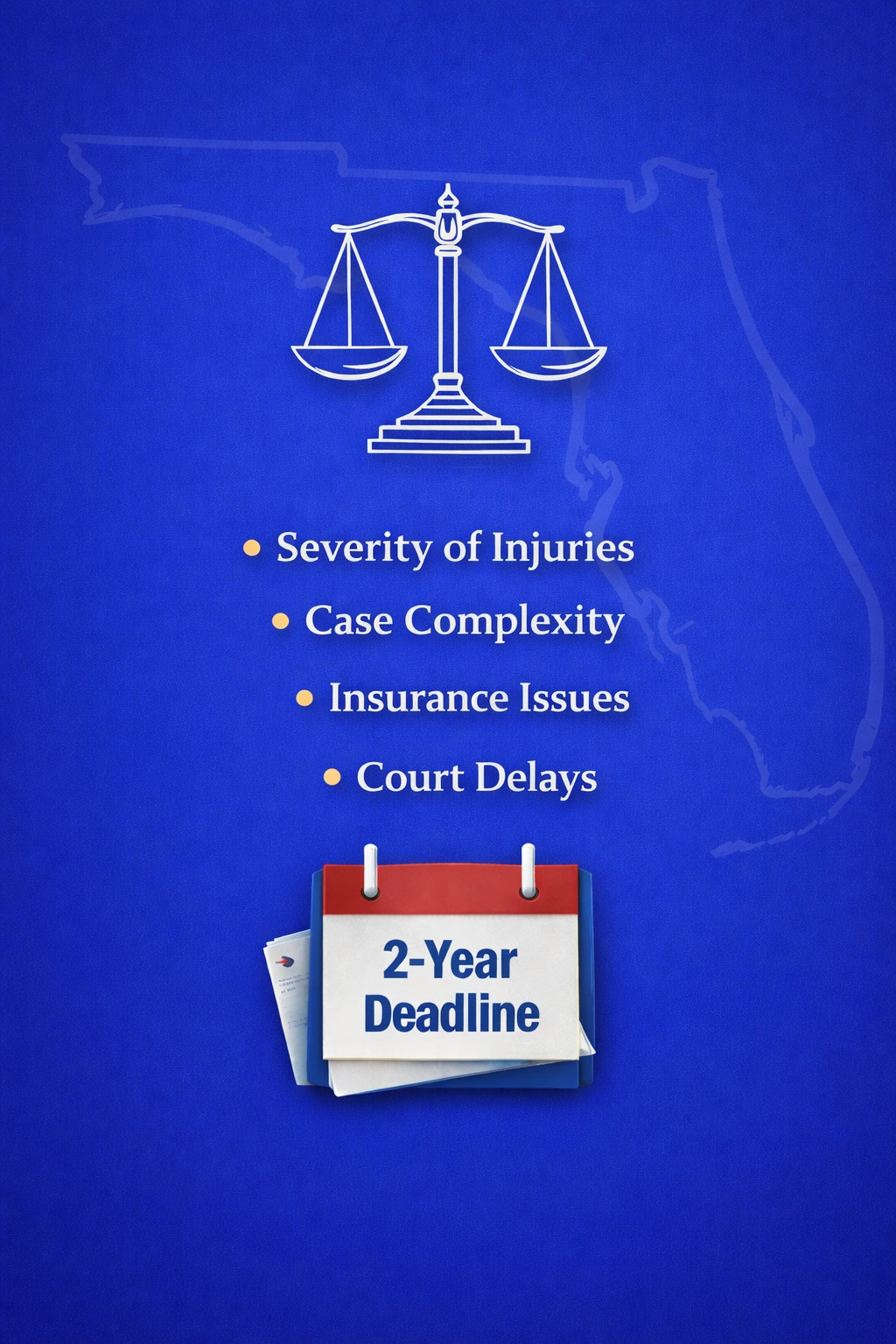
- Reduced Statute of Limitations: The time frame to file negligence-based personal injury lawsuits has been shortened from four years to two years, effective for incidents occurring on or after March 24, 2023. Learn more here.
- Modified Comparative Negligence: Florida has shifted from a pure comparative negligence system to a modified one. If a plaintiff is more than 50% at fault for an accident, they cannot recover any damages. If the plaintiff is 50% or less at fault, their recovery is reduced by their percentage of fault. Read more about this change.
- Enhanced Minimum Insurance Requirements: Florida now requires higher minimum auto insurance coverage limits for bodily injury liability: $50,000 per person and $100,000 per accident. Find out more.
- New Caps on Non-Economic Damages: Caps on non-economic damages, such as pain and suffering, are redefined for personal injury cases. In 2025, these damages are limited to $500,000 in general negligence cases. Explore this topic further.
- Mandatory Mediation for Claims under $50,000: Mediation has become a mandatory step for personal injury claims in Florida valued under $50,000. Learn about mediation.
Expert Insights and Industry Best Practices
Here are some critical insights for navigating the new laws:
- Prompt Action: Given the reduced statute of limitations, it's imperative to seek legal counsel immediately after an injury to ensure timely filing.
- Comprehensive Documentation: Gathering thorough evidence, including medical records, witness statements, and accident reports, is essential to establish the extent of damages and fault.
- Understanding Fault Allocation: With the modified comparative negligence rule, it's crucial to demonstrate that you are not more than 50% at fault to recover damages.
Statistics, Data, and Factual Information
Understanding the implications of these reforms can help you navigate personal injury claims more effectively:
- Insurance Coverage: The increase in minimum auto insurance requirements aims to provide more substantial compensation for victims, addressing concerns over insufficient coverage in previous years.
- Mediation Impact: Mandatory mediation for lower-value claims is expected to expedite dispute resolutions, potentially reducing court backlogs and leading to quicker settlements.
Common Questions and Concerns
Here are some frequently asked questions regarding the new laws:
- What if I'm partially at fault? Under the modified comparative negligence rule, if you're found to be more than 50% at fault, you cannot recover damages. It's essential to prove that your fault percentage is 50% or less.
- How do the new insurance requirements affect me? The increased minimum insurance coverage means that, in the event of an accident, there may be more funds available to cover your medical expenses and damages.
- What is mandatory mediation? For claims under $50,000, mediation is now a required step before proceeding to court, aiming to resolve disputes more efficiently.
Related Subtopics and Relevant Keywords
Additional areas of interest include:
- Personal Injury Protection (PIP) Insurance: Understanding the nuances of PIP coverage and its role in Florida's no-fault system.
- Workers' Compensation: Recent changes in workers' compensation laws and their impact on claims.
- Bad Faith Insurance Claims: Navigating the complexities of proving bad faith in insurance disputes.
Case Studies or Real-World Examples
Consider these examples to illustrate the impact of the new laws:
- Case Study 1: A Plantation resident involved in a car accident was initially found 60% at fault. Due to the modified comparative negligence rule, they were unable to recover damages. This emphasizes the importance of understanding fault allocation.
- Case Study 2: A slip-and-fall incident in a local Plantation business led to a claim under $50,000. The mandatory mediation process facilitated a swift settlement, highlighting the efficiency of the new system.
Local Relevance or Applications for Businesses in Plantation, FL
Businesses in Plantation should be aware of the increased insurance requirements, as they may face higher premiums. Understanding the mandatory mediation process can help businesses prepare for potential claims and seek resolutions efficiently.
Specific Relevance to the Injury Lawyer Studio Industry
For injury law firms in Plantation, staying updated on these legal changes is vital. Adapting case strategies to the modified comparative negligence rule and preparing clients for mandatory mediation can enhance client satisfaction and case outcomes.
Conclusion
Florida's personal injury laws have undergone significant changes that impact both claimants and legal professionals. Staying informed and proactive is essential to navigate this evolving landscape effectively. For professional personal injury consultations, contact Charles Injury Law today. Our team is ready to assist you in understanding your rights and options.
Call us at (954) 866-1329 or visit our office at 930 S State Rd 7, Plantation, FL 33317, USA.