Navigating Florida's Tort Reform: Implications for Personal Injury Cases
In March 2023, Florida enacted House Bill 837 (HB 837), marking a significant shift in personal injury law within the state. Understanding these changes is vital for anyone involved in personal injury cases, whether you are a plaintiff, defendant, or legal professional. This blog post will explore the implications of Florida's tort reform, highlighting essential updates and offering practical insights.
Key Changes Introduced by HB 837
The new legislation brought several critical changes that reshape the landscape of personal injury claims:
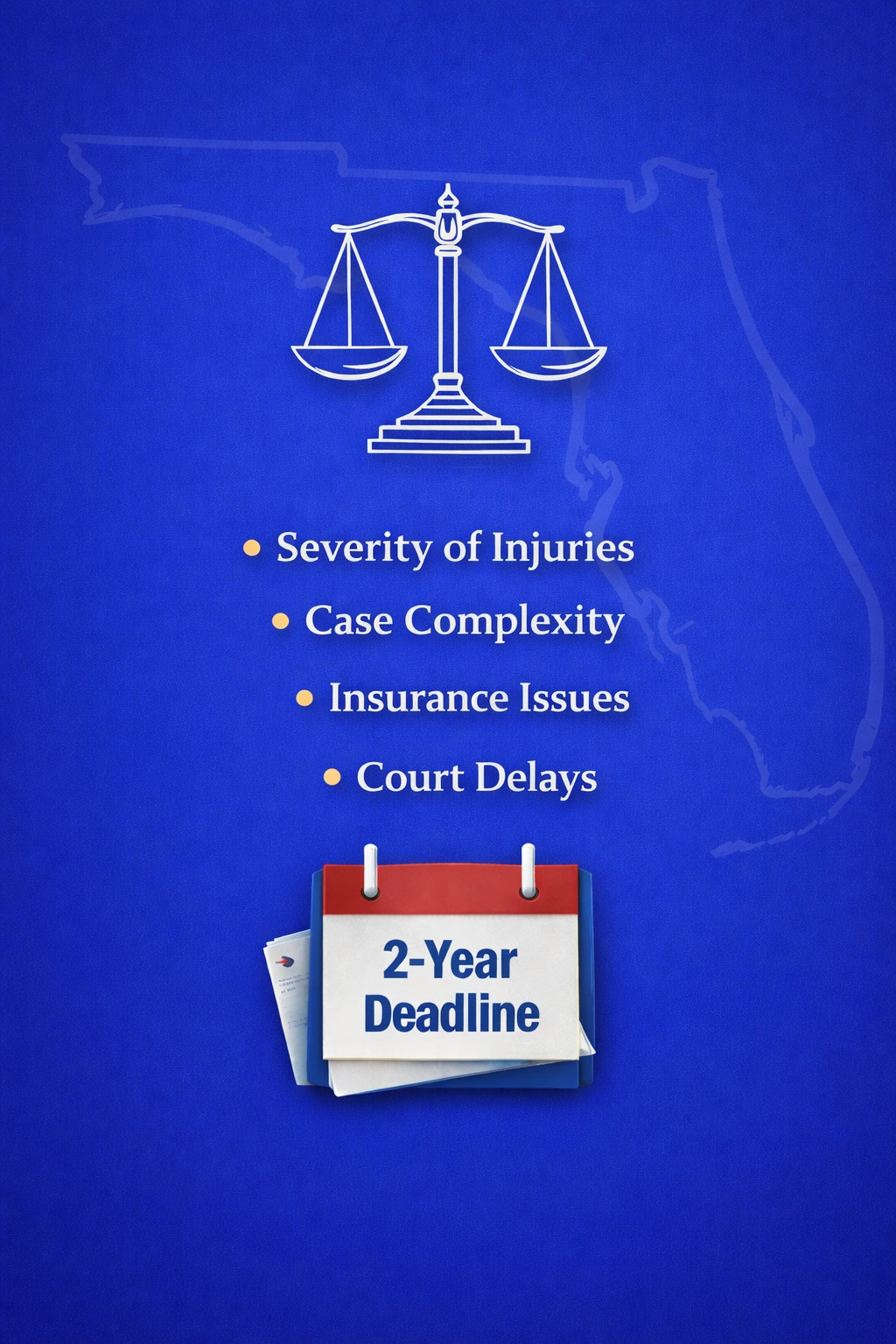
- Shortened Statute of Limitations: The statute of limitations for general negligence actions has been reduced from four years to two years, aligning Florida with the majority of states that impose shorter deadlines for such claims. This adjustment emphasizes the need for timely legal action.
- Modified Comparative Negligence: Florida has transitioned from a pure comparative negligence system to a modified one. Now, if a plaintiff is found more than 50% at fault for their injuries, they cannot recover damages. This places a greater burden on plaintiffs to prove the defendant's fault.
- Caps on Non-Economic Damages: The legislation sets caps on non-economic damages, such as pain and suffering, typically at $500,000 per claimant. This cap varies depending on the nature of the claim.
- Disclosure of Medical Damages: There is now a requirement for the disclosure of medical damages, which reflects actual medical costs. This change may lead to lower jury verdicts in personal injury cases.
Expert Insights: Best Practices for Navigating Tort Reform
As the legal environment shifts, it is important for individuals involved in personal injury cases to adopt best practices:
- Thorough Documentation: Meticulous records of medical treatments, expenses, and communications related to the injury are essential. This documentation can support claims and counter any defense arguments.
- Prompt Legal Action: With the statute of limitations now set at two years, seeking legal counsel immediately after an injury is crucial to preserving the right to file a claim.
- Understanding Comparative Negligence: Plaintiffs must be aware of how their actions may impact their case. Being found more than 50% at fault can bar recovery.
Statistics and Trends in Florida's Personal Injury Cases
Florida consistently leads the nation in personal injury lawsuits. A recent report indicated that per 100,000 Floridians, there were 127.41 personal injury cases filed, significantly higher than the national average of 9.53. This high volume underscores the importance of understanding the new tort reform landscape.
Interestingly, Florida has also seen a decline in so-called "nuclear" verdicts (awards exceeding $10 million). For instance, in 2023, the state awarded a total of $491 million in such verdicts, a decrease from previous years.
Common Questions Regarding Florida's Tort Reform
As the laws change, many individuals have questions about how these reforms affect their ability to file a personal injury claim:
- How do the new laws affect my ability to file a personal injury claim?
- The shortened statute of limitations means you have less time to file a claim. Consult with an attorney promptly to ensure your rights are protected.
- What if I'm partially at fault for the accident?
- Under the modified comparative negligence system, if you're found to be more than 50% at fault, you cannot recover damages. If you're 50% or less at fault, you can still recover, but your compensation will be reduced accordingly.
- Are there limits on the amount I can recover for pain and suffering?
- Yes, non-economic damages like pain and suffering are capped, typically at $500,000 per claimant, though this can vary depending on the specifics of the case.
Local Implications for Businesses in Plantation, FL
For businesses in Plantation, FL, the changes in tort law are particularly relevant. Establishments in the hospitality and retail sectors may face increased liability in premises liability cases. Implementing comprehensive safety measures and training staff can help mitigate potential risks.
Implications for Injury Law Firms
For injury law firms, it is essential to stay updated on these legislative changes. Adjusting case evaluation processes, client consultations, and litigation strategies will ensure that firms provide the best representation for their clients in light of the new laws.
Conclusion
Florida's tort reform marks a pivotal change in personal injury law. It is crucial for plaintiffs and legal professionals to understand these updates. For those navigating personal injury claims, dedicated representation is essential.
For more information on personal injury cases in Florida, visit our expert guide. If you have been injured and need assistance, contact Charles Injury Law at (954) 866-1329 or email steve@charleslegalpl.com.